Lever 1: Regulatory authorities driving the adoption of sustainable agricultural practices
One of the most impactful levers is undoubtedly the regulatory lever. This lever is universal and not limited to the agricultural sector. Strong support from public authorities helps remove obstacles and facilitates the adoption of sustainable methods. Regulations can mandate changes, compelling stakeholders in the sector to adopt new approaches.
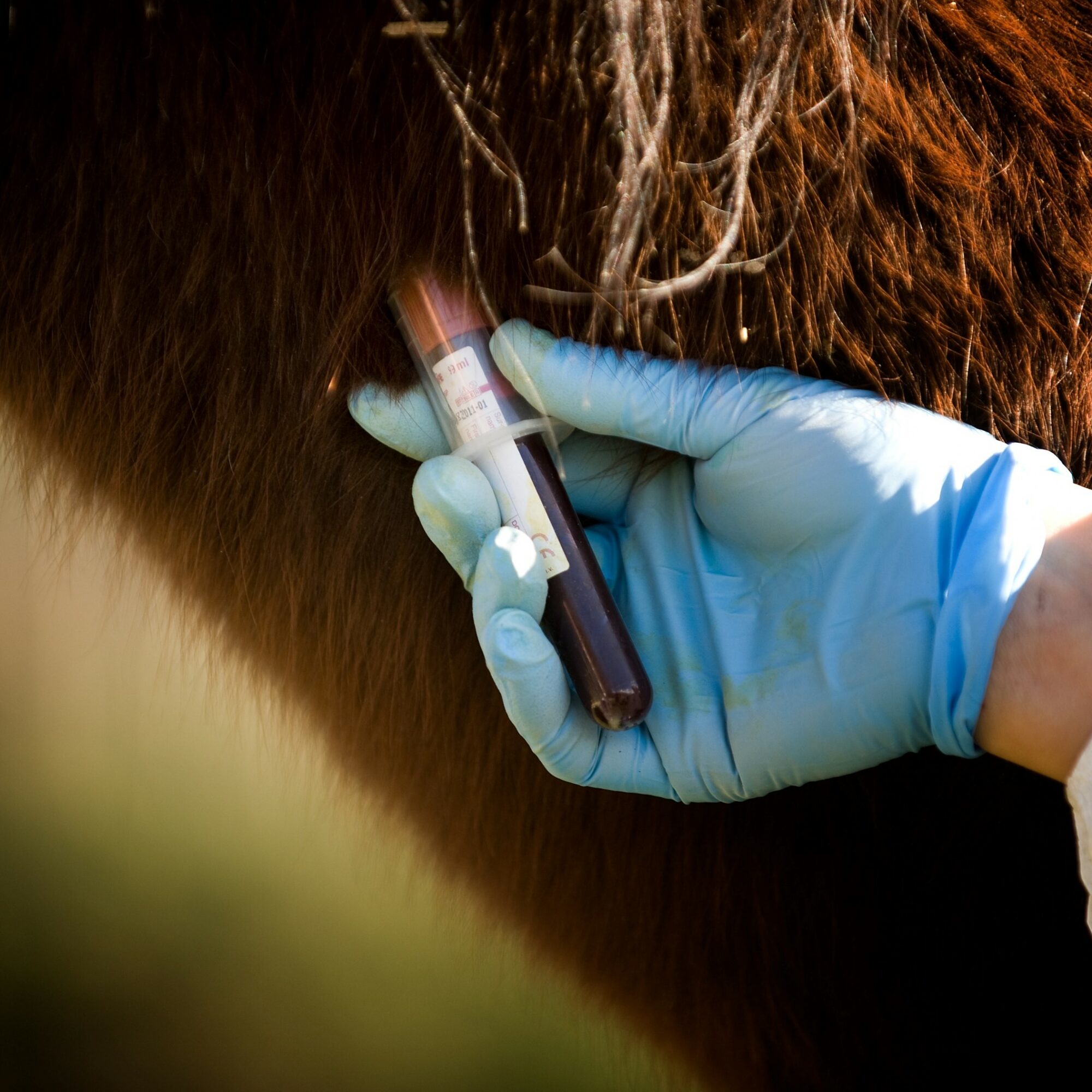
For example, the ban on antibiotics as growth promoters in the European Union since 2006 has led farmers to seek alternatives such as feed additives (probiotics, enzymes, organic acids) to maintain animal health and productivity.
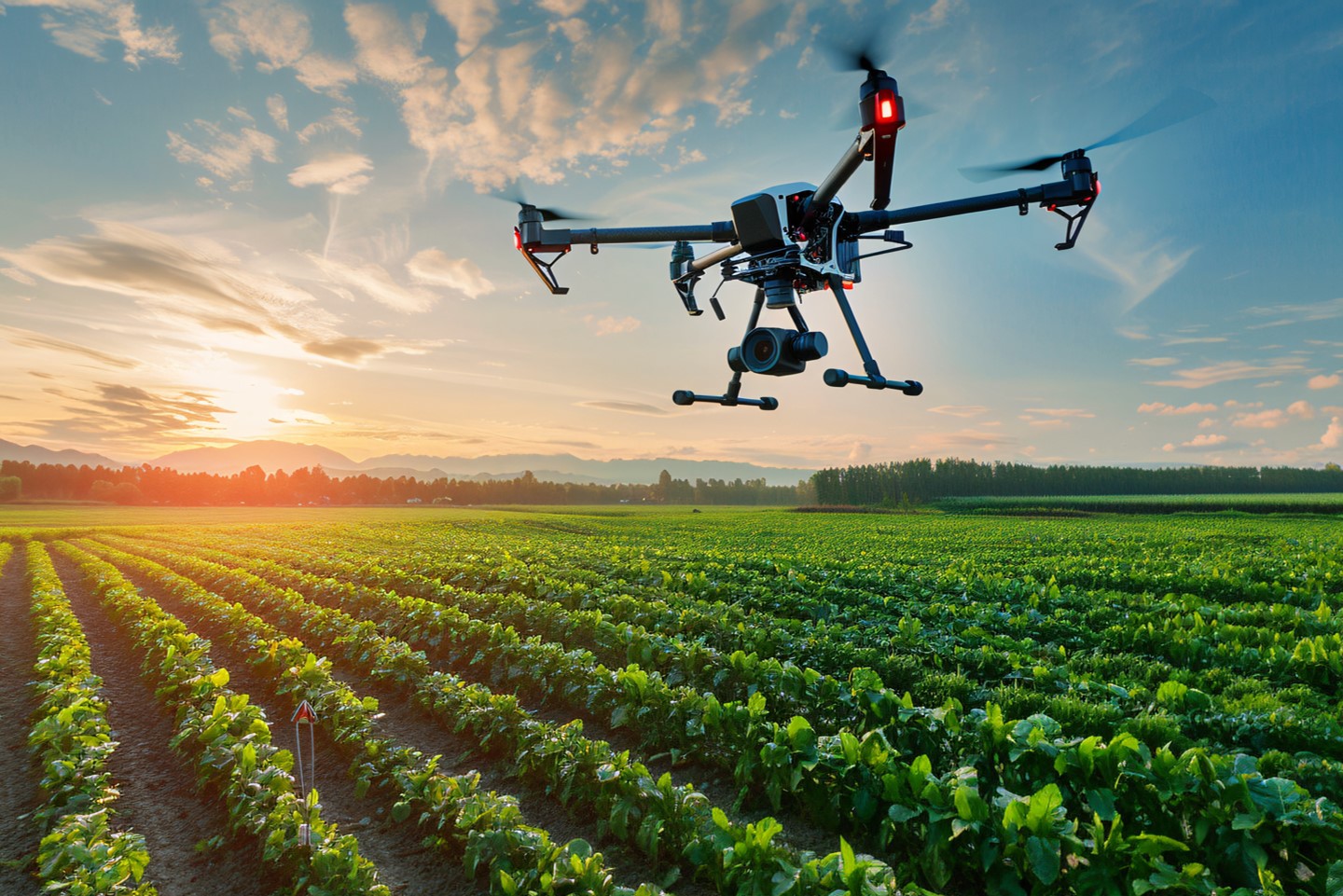
More broadly in the European Union, the Common Agricultural Policy (CAP) perfectly illustrates the power of this regulatory lever. Established in 1958, the CAP has evolved over time. In 2003, it introduced the principle of conditionality: farmers’ access to subsidies depends on compliance with environmental and animal welfare criteria. This conditionality principle was reinforced in the 2023–2027 reform. Payments are now contingent on compliance with the rules related to Statutory Management Requirements (SMR) and Good Agricultural and Environmental Conditions (GAEC), including crop rotation, soil cover, protection of wetlands and peatlands, and grass buffer strips along waterways. These requirements are now monitored through the 3STR system (Real-Time Area Monitoring), based on satellite imagery, which ensures continuous and fair control.
Another structural feature of the CAP is its dynamic nature, as it is reformed approximately every seven years. Each new programming cycle introduces fresh priorities (environment, climate, animal welfare, rural employment, etc.), requiring farmers to regularly adapt their practices. This continuous evolution creates a gradual transformation effect, where farms must anticipate future policy and regulatory directions — a genuine challenge indeed!
This regulatory lever often comes with a transition period, allowing stakeholders to adapt before the new framework enters into force. Therefore, new regulations must be accompanied by support measures to ease the transition. Between 2018 and 2023, the French government invested EUR 6.7 billion to support innovation in agriculture, particularly through tax credits and investment grants. A comprehensive support system for farmers and breeders is thus essential — and consulting actors play a key role in this process.
Lever 2: The adoption of sustainable agriculture driven by consumers and major retail chains
Not all innovations stem from regulatory impulses. In many cases, it is consumers themselves — followed by distributors — who drive change. By demanding greater transparency, ethics, and sustainability, they encourage producers to adopt more virtuous practices. This lever is especially visible in developed countries, where consumers are more aware of the challenges of sustainable food production. For instance, 72% of American and European consumers state that they consider environmental or ethical criteria in their food purchasing decisions.
In France, the transition to cage-free egg farming clearly illustrates this dynamic. Without any regulation mandating it, major retail chains progressively stopped selling eggs from caged hens. For example, Intermarché began phasing out cage eggs in 2017 and completely ceased their sale in January 2025. The result: in 2023, 8 out of 10 eggs purchased in France came from alternative systems, and sales of cage eggs dropped by 15.6%, even though overall egg consumption increased by 3% the same year. This transformation pushed producers to adopt alternative farming practices — free-range, organic, Label Rouge, or barn eggs.
Another example of innovation adopted without a strict regulatory framework is the use of blockchain technology in the agri-food sector. Responding to the growing demand for transparency and traceability, several major brands have integrated this technology to reassure consumers. Globally, 71% of consumers say they are willing to pay more for a product that clearly discloses its origin and composition. Nestlé, for example, uses the IBM Food Trust platform for its Zoégas coffee brand. By scanning a simple QR code, consumers can trace the coffee’s journey from farm to finished product. What began as a marketing initiative to meet consumer expectations has gradually become a new industry standard, paving the way for wider adoption of blockchain technologies in agriculture.
Learn more about how our team can support you in your innovation projects in agriculture >
Lever 3: The adoption of innovative and sustainable agriculture by farmers driven by perceived or proven economic benefits
In some cases, innovation adoption happens naturally — without external pressure. When a new practice reduces costs or increases productivity, agricultural stakeholders are often more inclined to adopt it. This lever is rooted in economic profitability.
A prime example is precision livestock farming, a rapidly expanding innovation worldwide. By combining sensors, connected devices, and artificial intelligence, this approach enables individualized management of animals, optimized feeding, and real-time health monitoring. This is why the cow is often called the most connected animal in the world.
Among precision livestock technologies are automated feeding systems that adjust nutritional inputs according to each animal’s specific needs. By reducing waste and improving animal performance, precision feeding generates direct economic benefits for farmers. Some commercial solutions illustrate this trend, such as the Triomatic technology marketed by Trioliet, an automated feeding system that adjusts rations based on the animal’s weight and health status.
Although these three levers can operate independently, they are most often interconnected and complementary. An innovation may initially emerge under regulatory pressure, then be accelerated by consumer support, and finally become sustainable due to its economic relevance. Conversely, a profitable innovation can generate growing demand until it becomes a regulatory standard.
It is the interaction between these dynamics that enables large-scale adoption. With the increasing involvement of stakeholders and the growing flow of funding directed toward sustainability and innovation in agriculture, agricultural practices are bound to evolve significantly in the years ahead.
Alcimed’s team can support you in identifying and activating the right levers to encourage the adoption of your innovative technology. Don’t hesitate to contact our team!
About the author,
Matthieu, Consultant in Alcimed’s Life Sciences team in France